
The Power of Sound in Your Treatment Room
When a client steps into your treatment room, they leave the outside world behind. Every detail matters. Lighting, temperature, scent and even the way you greet them all contribute to the sense of calm you create. One element that is sometimes overlooked is sound. What you choose to play, or not play, can significantly affect how deeply a client relaxes.
The Beauty of Silence
Some therapists prefer not to play any background music at all. Silence can feel grounding and deeply peaceful. Without music, there is nothing to interpret, follow or process. Clients can simply settle into the moment.
For certain people, silence feels luxurious. In a world filled with constant noise and stimulation, a quiet space can feel rare and restorative. This can work particularly well during treatments that include breath awareness, gentle conversation or mindful techniques.

If you choose silence, it is always worth checking with your client first.
Some people love it. Others may feel slightly exposed without background sound.
Soft Background Music
For many clients, gentle instrumental music enhances relaxation. Slow piano, soft strings or subtle ambient tracks can create a sense of sanctuary. Nature sounds such as rainfall, ocean waves or birdsong can also support a calming atmosphere.
The key is subtlety. Music should sit in the background and support the treatment rather than become a focal point. Avoid sudden changes in volume or tempo, as these can interrupt relaxation. Consistency and softness are what allow the nervous system to settle.
What Is ASMR?
You may have heard the term ASMR and wondered what it means. ASMR stands for autonomous sensory meridian response. It describes a tingling, calming sensation that some people experience when they hear certain gentle sounds.
Common ASMR triggers include whispering, light tapping, brushing sounds, soft rustling or slow, repetitive movements. Many people use ASMR recordings to help them relax or fall asleep.
In a treatment room setting, you would not typically use exaggerated whispering or obvious triggers. However, subtle soundscapes with soft repetitive elements can have a similar soothing effect. For some clients, these gentle textures deepen their sense of calm. Others may not consciously notice them but still benefit from the atmosphere they create.
Personal Preference Matters
There is no single right choice. Some clients prefer total silence. Others feel more comfortable with soft music. A few may even enjoy ASMR style soundscapes.
A simple question at the start of the appointment such as, “Would you prefer silence or some gentle music today?” allows the client to feel involved and respected. It also reinforces that their comfort is your priority.
Choosing the Right Speaker
Good sound quality makes a noticeable difference. Music that crackles or sounds tinny can disrupt the atmosphere. Fortunately, you do not need a complicated set up.
I am a great fan of the Echo Dot which is a neat interactive speaker. This little speaker will show you the time so you can check and make sure you don’t go over and leave enough time for client to finish and calmly leave your space and for you to have time to get the room ready for the next client.

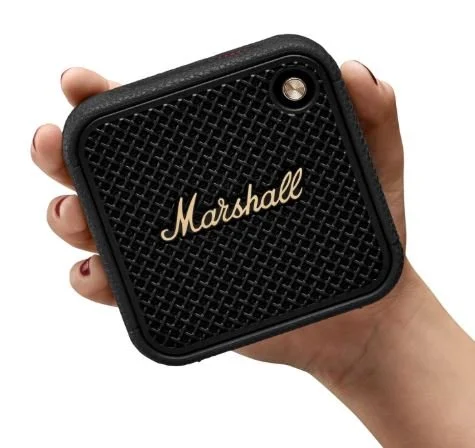
The other option for something more vintage looking which will fade beautifully into the decor is the Marshall speaker. They come in a variety of sizes and specs but they are all a good solid choice for great sound and robustness.
Whatever you choose, keep the volume low and position the speaker so the sound fills the space gently rather than projecting directly at the client.
Sound is not just background detail. It is part of the therapeutic environment. When chosen thoughtfully, it supports relaxation, safety and a deeper treatment experience.